

76th Meeting of the Panel on Phytosanitary Measures
Hosted by the European Food Safety Authority (EFSA) in Parma, Italy, 2026-10-06/08
The Panel met at EFSA in Parma, Italy, from 6 to 8 October 2026. The meeting was attended by thirteen participants, each belonging to a different EPPO member country, the European Commission and EFSA. The EPPO Secretariat was represented by Mr Picard, who chaired the meeting, and Ms Benko Beloglavec, who provided support. It provided an opportunity for several observers from EFSA to attend the meeting. The main task of this Panel is to evaluate risks presented by specific pests and design phytosanitary measures to avoid their introduction and spread (see link for composition and terms of reference of the Panel). On its second day, a technical visit was held at Rodolfi Mansueto S.p.a. where the participants were briefed about tomato production and processing, and where local plant health services presented Ralstonia pseudosolanacearum outbreak management activities near Parma.
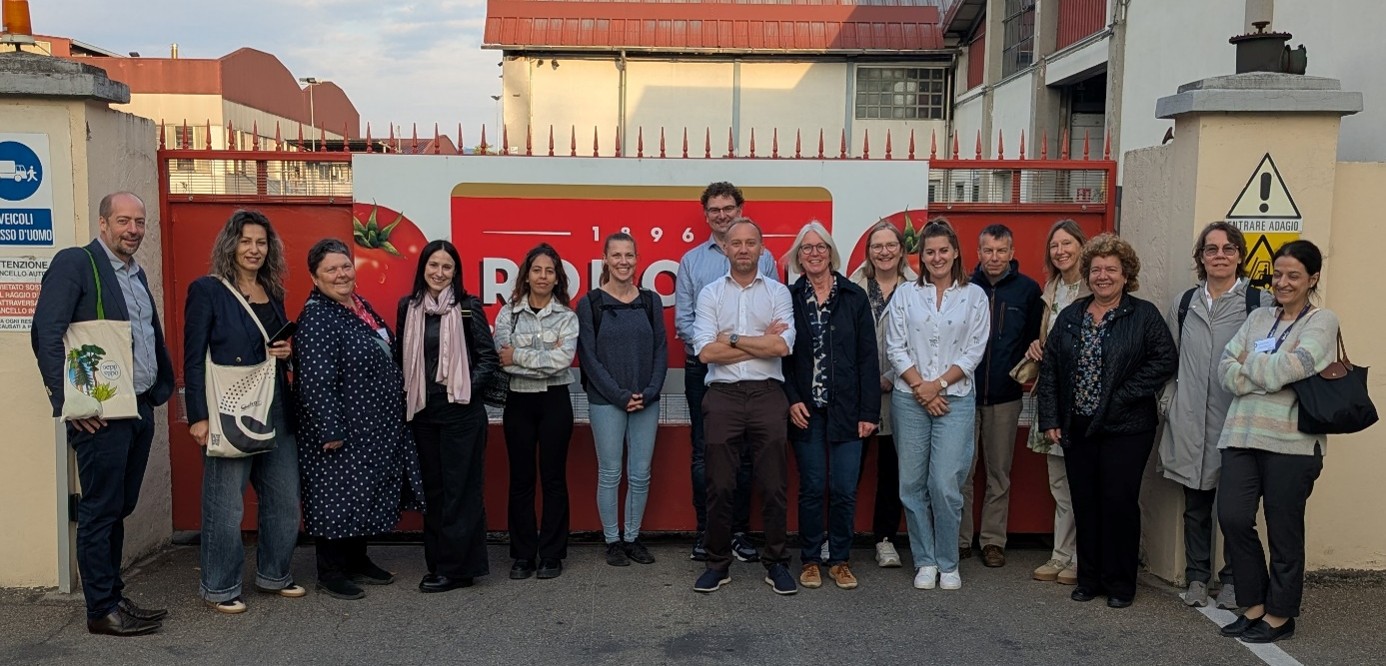
Group photo of the Panel on Phytosanitary Measures (2026-10-24/26)
EPPO List of Pests recommended for Regulation
Recommendations for regulation by EPPO are made either based on EPPO Pest Risk Analyses (PRAs) prepared by Expert Working Groups (EWG) or on PRA reports based on national/EU PRAs. During this meeting the Panel reviewed the following PRA documents:
- Austropuccinia psidii (myrtle rust) – a draft EPPO PRA,
- Monema flavescens (Lepidoptera: Limacodidae) – a PRA report based on an EFSA pest categorization and an NL Quickscan,
- Xylotrechus chinensis (Coleoptera: Cerambycidae) – a PRA report based on an EFSA pest categorization, a JKI express PRA (DE) and an ANSES PRA (FR),
- Phlyctinus callosus (and P. xerophilus) (Coleoptera: Curculionidae) – a PRA report based on an EFSA pest categorization and quantitative risk assessment, and DROPSA work.
The Panel recommended to the EPPO Working Party on Phytosanitary Regulations the addition of A. psidii and M. flavescens respectively to the EPPO A1 and A2 Lists. Several Panel members considered that X. chinensis was already too widespread in the EPPO region to recommend it for regulation, most likely only affecting Morus used as ornamentals, with uncertainty on which are the most relevant pathways in the EPPO region responsible for the current pest spread. Ongoing work on the potential additional hosts (Malus, Pyrus and Vitis), will be reviewed at the next meeting before finalizing the PRA report. The draft PRA report for P callosus and P. xerophilus will continue to be discussed and reviewed at the next Panel meeting.
The draft delisting PRA for ‘Candidatus Phytoplasma ulmi’ was reviewed after complementary information had been received from the Panel on Quarantine Pests for Forestry regarding the utilization of North American hybrids of elm trees in the EPPO region. Delisting PRAs focus specifically on criteria likely to affect their categorisation as quarantine pests. Since diverging opinions on maintaining this pest on the EPPO A2 List were expressed, the Panel recommended that a country consultation is performed before a decision is taken by the Working Party and Council.
Recent information received on incursions of EPPO A1 pests in the EPPO region was shared with the Panel.
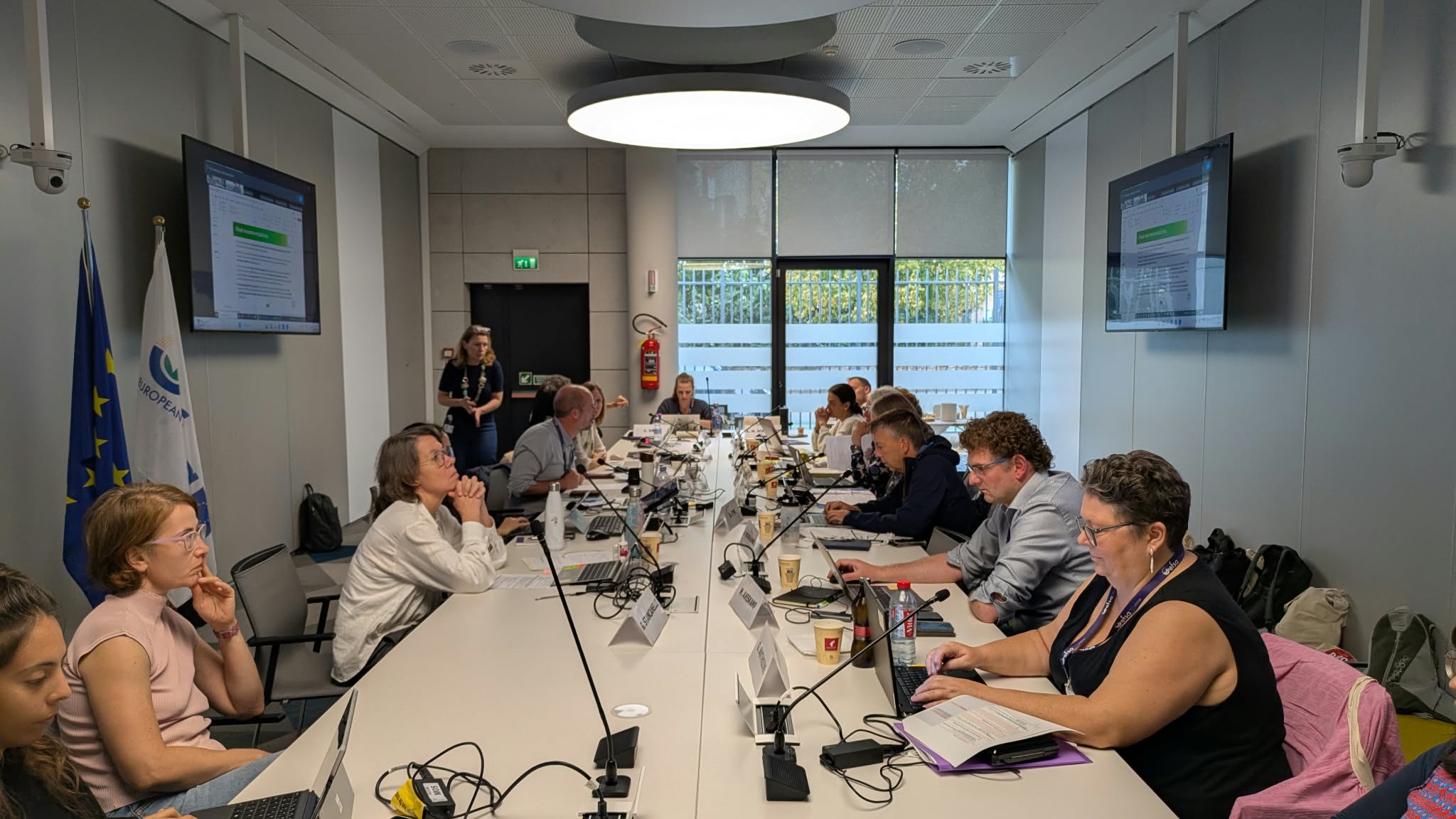
Photo of the Panel on Phytosanitary Measures (2026-10-24/26)
Pest Risk Analysis
The Panel was also updated on recent EFSA mandates.
Considering the unresolved taxonomic issues surrounding Phyllachora maydis (tar spot of maize) and related Phyllachora taxa, and as a consequence uncertainty on the presence of the causal agent of tar spot in the EPPO region, the Panel did not consider that preparing a pathway analysis for P. maydis was a priority work for the Panel.
Information
The Panel was updated on recent developments in EPPO’s information activities. In particular, it discussed how to define the ‘main plant’ category for the further development of the pathway tool in EPPO Global Database (EPPO GD). This category will be used to define host plants for which more detailed information will be provided on the commodity categories identified as pathways for specific pests.
Standards
The Panel held a preliminary discussion on the development of an EPPO B-List of regulated non-quarantine pests (RNQPs) and how this work could be coordinated with the revision of existing PM 4 Standards on certification schemes, many of which are becoming outdated.
The Panel also discussed the priority to be given to the development of diagnostic Standards for Xanthomonas axonopodis pv. poinsettiicola and Xanthomonas translucens pv. translucens. Although the limited diagnostic expertise available for both pests among Panel member countries was highlighted, the Panel supported prioritizing the development of a Standard for X. translucens pv. translucens, given its potential impact on the cereal sector and its recent resurgence in North America.
The need to revise additional Standards was also discussed.
The next Panel meeting is planned for 2027-03-23/25 at the EPPO headquarters.