


EPPO-NEPPO Workshop on Pest Reporting
Hammamet (TN), 2026-11-10/12

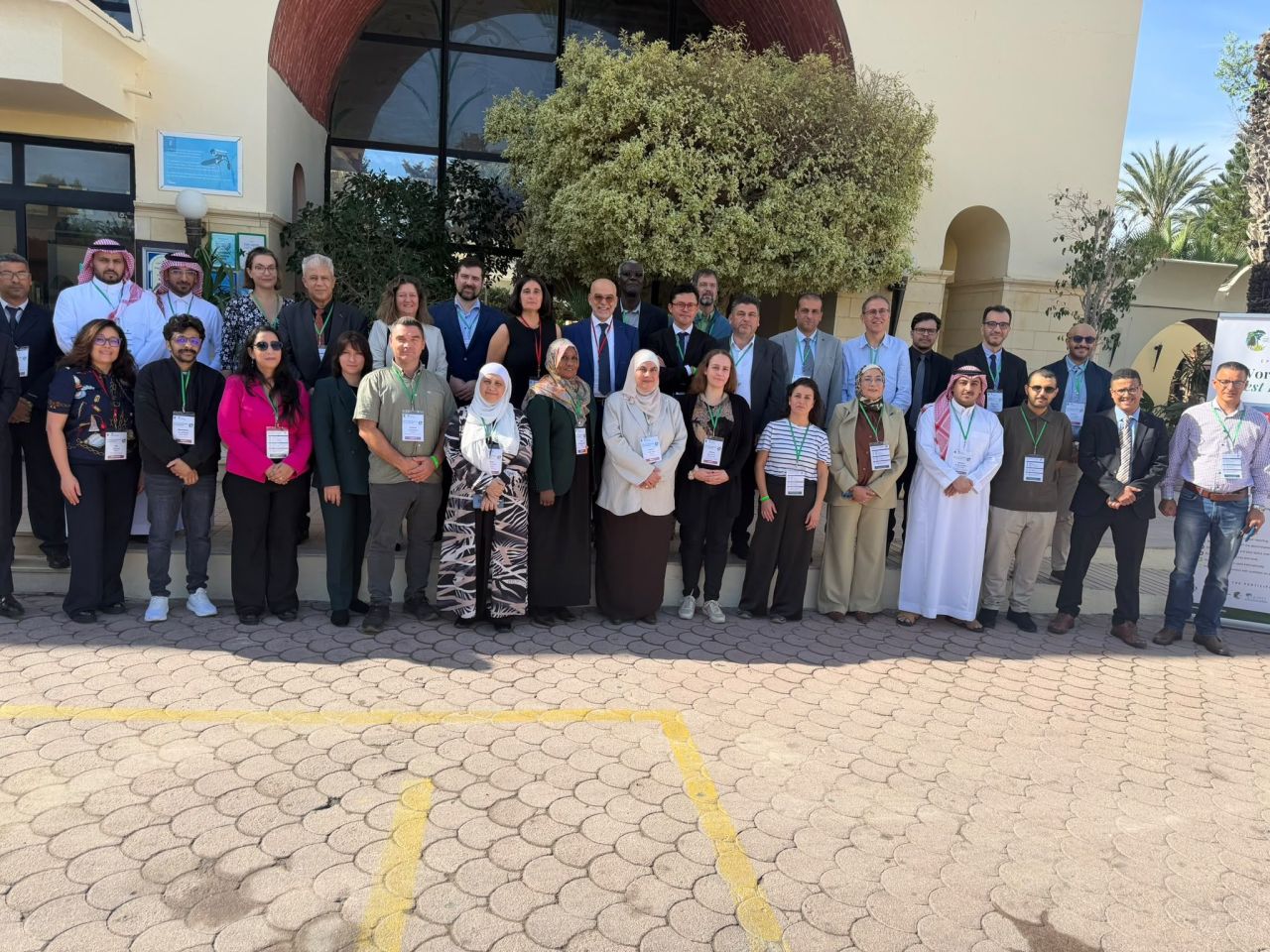
Group photo at the Workshop
A Workshop on Pest Reporting was jointly organised by the European and Mediterranean Plant Protection Organization (EPPO) and the Near East and North Africa Plant Protection Organization (NEPPO) in Hammamet, Tunisia. The Workshop was hosted by the National Plant Protection Organization of Tunisia and NEPPO and attended by 43 participants from 22 countries. The Workshop included contributions from National Plant Protection Organizations (NPPOs), scientists, the EPPO Secretariat, the IPPC Secretariat, FAO and the European Commission.
EPPO and NEPPO thank speakers and participants for their contributions, and a special thanks to the National Plant Protection Organization of Tunisia for hosting the workshop and NEPPO for the local organization.
You can find a copy of the participant booklet, including the abstract booklet here.
Objectives of the workshop
- Improve understanding of pest reporting obligations and the determination of pest status.
- Share national experiences from the EPPO and NEPPO regions.
- Discuss pest reporting procedures and tools, and how pest reports are used internationally
- Discuss issues raised when first reports are made by scientists without informing the NPPOs and ways to improve communication between NPPOs and scientists.
The Workshop combined presentations, practical exercises, group discussions and a technical visit.
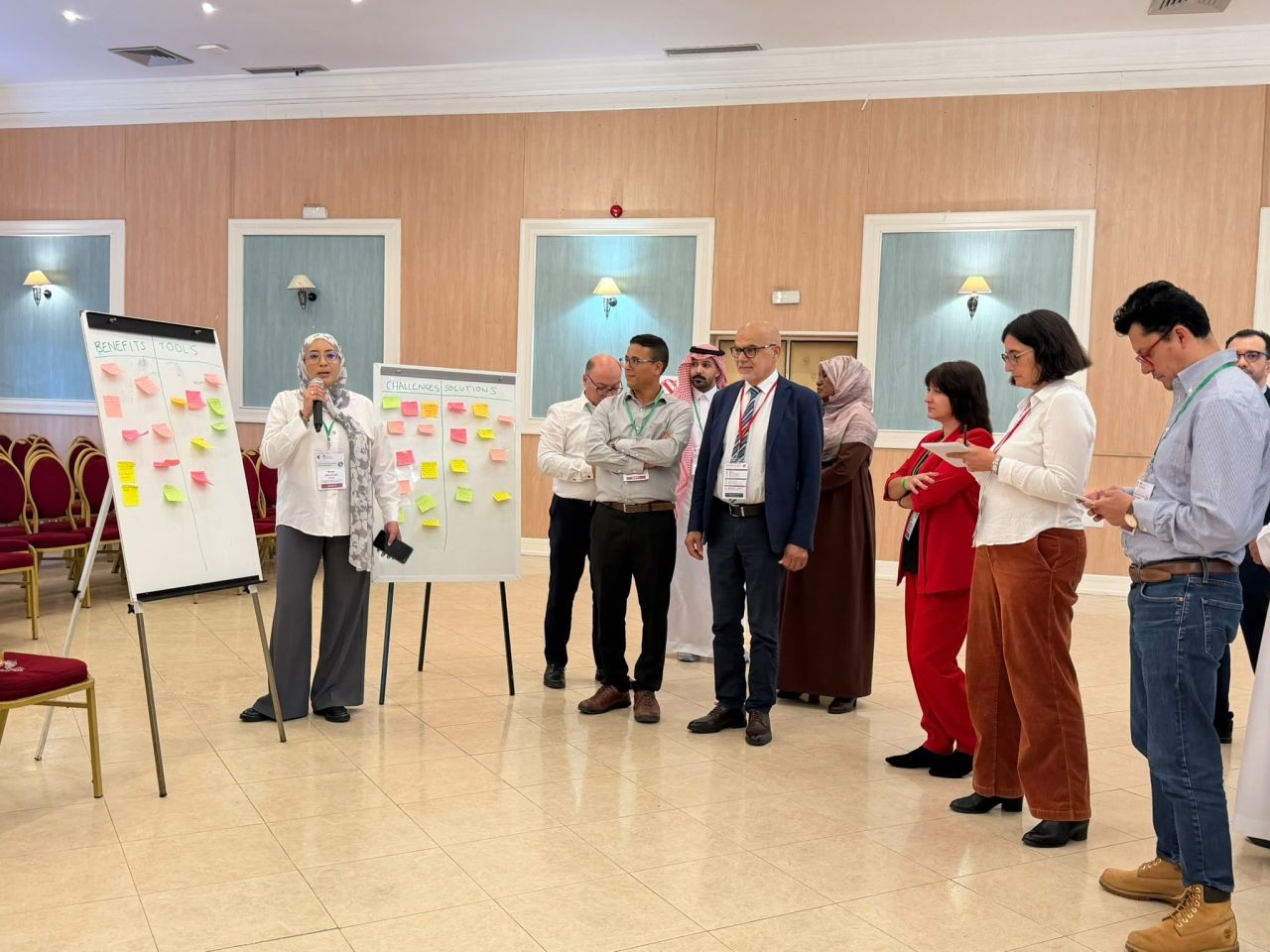
Photo of one of the practical exercises from the workshop
Technical visit
Participants were taken on a technical visit to a private citrus farm in Bou Argoub, north-eastern Tunisia where citrus black spot (Phyllosticta citricarpa) had been first reported in Tunisia. The visit showed surveillance and pest reporting in practice, from field inspection to official notification, and collaboration between the grower and the Tunisian NPPO in relation to the management of citrus black spot. The farm is now a pest-free site for Phyllosticta citricarpa.
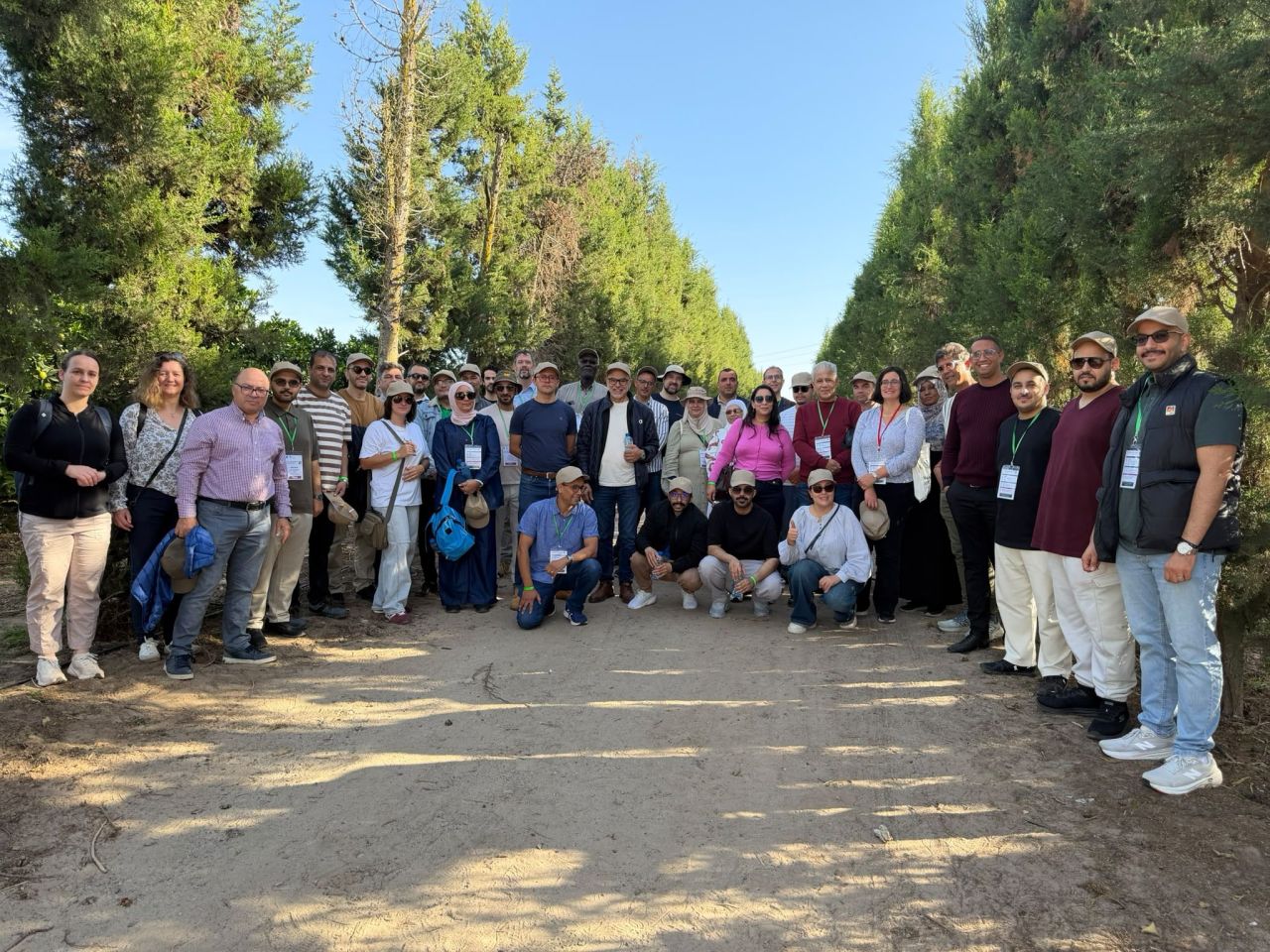
Photo of the group at the field visit
Presentations
Presentations from Session 1: Reporting Obligations
| National Reporting Obligations (NROs): a practical reflection exercise | Camilo Beltran Montoya, IPPC |
| Reporting obligations to EPPO | Muriel Suffert, EPPO |
| Exercise 1: Why, what, how and whom to report. |
Group activity |
Presentations and exercises from Session 2: Determination of pest status and ISPM 8
| ISPM 8 and ISPM 17: Pest reporting and pest status determination | Samuel Warner, EPPO |
| Pest reporting and pest status management | Lily Kadirova, United Kingdom |
| Pest reporting of on Citrus Black Spot in Tunisia | Lassaad Medhioub, Tunisia |
| Pest reporting in the Czech Republic | Kateřina Jégrová, Czech Republic |
| National Strategy for the Eradication of Red Palm Weevil (Rhynchophorus ferrugineus) in the Islamic Republic of Mauritania | Sabrine Meridja, FAO-SNE Tunisia |
|
Exercise 2: Determination of pest status overview
|
Group activity |
Session 3: Pest reporting procedures and tools
| Saudi Arabia’s tools and Procedures for pest reporting | Talal Al Mutairi, Saudi Arabia |
| Pest reporting of outbreaks and findings of pests in the Netherlands | Monique Gerritis-Verdel, Netherlands |
| The Egyptian experience on pest reporting: Fall Armyworm case study | Islam Aboelela, Egypt |
| Exercise 3: Available procedures and tools, establishing pest reporting procedures, difficulties | Group activity |
Session 4: How pest reports are used internationally
| Pest reporting in the NENA region | Mohamaed Habib Ben Jamâa, NEPPO |
| How does EPPO use pest reporting information? | Muriel Suffert, EPPO |
| How does the IPPC use pest reporting information? | Camilo Beltran Montoya, IPPC |
| EUROPHYT outbreaks: The EU Information Management System for reporting plant pest outbreaks | Paul Roquiny, European Commission |
Session 5: First reports of pests by scientists
| The contribution of academic surveillance to pest reporting: three invasive insect case studies from ornamental plants in Algeria | Zine Eddine Labdaoui, Algeria |
| First record of Donus intermedius damaging lemon balm (Melissa officinalis) in South Tyrol, Italy | Yazmid Reyes Dominguez, Italy |
| Pest reports in scientific publications and citizen sciences: benefits and issues | Muriel Suffert, EPPO |
Useful resources
International standards and EPPO Standard
IPPC (2021) ISPM 8: Determination of pest status in an area. Rome, FAO. https://www.ippc.int/en/publications/612/
IPPC (2002) ISPM 17: Pest reporting. Rome, FAO. https://www.ippc.int/en/publications/pest-reporting-1/
EPPO (2011) PM 1/5(1) Format for pest reports. EPPO Standard, Paris. /RESOURCES/eppo_standards/pm1_general_phytomeasures
Guides
IPPC (2016) Guide to National Reporting Obligations. Rome, FAO. https://www.ippc.int/en/publications/90628/
IPPC (2021) Pest status: Understanding the principal requirements for pest status determination. Rome, FAO. https://www.ippc.int/en/publications/90619/
Official reporting portals and practical examples
IPPC website. National Reporting Obligations: reporting responsibilities, contacts and procedures. https://www.ippc.int/en/ippc-community/countries/nro/
EPPO interface for pest reporting. https://pestreporting.eppo.int/
E-learning courses
FAO and IPPC (2024) National reporting obligations. FAO elearning Academy. https://elearning.fao.org/course/view.php?id=1101
FAO and IPPC (2024) Surveillance and pest status determination. FAO elearning Academy. https://elearning.fao.org/course/view.php?id=1100